Brownfield Land: The Property Developer's Dream or Nightmare?

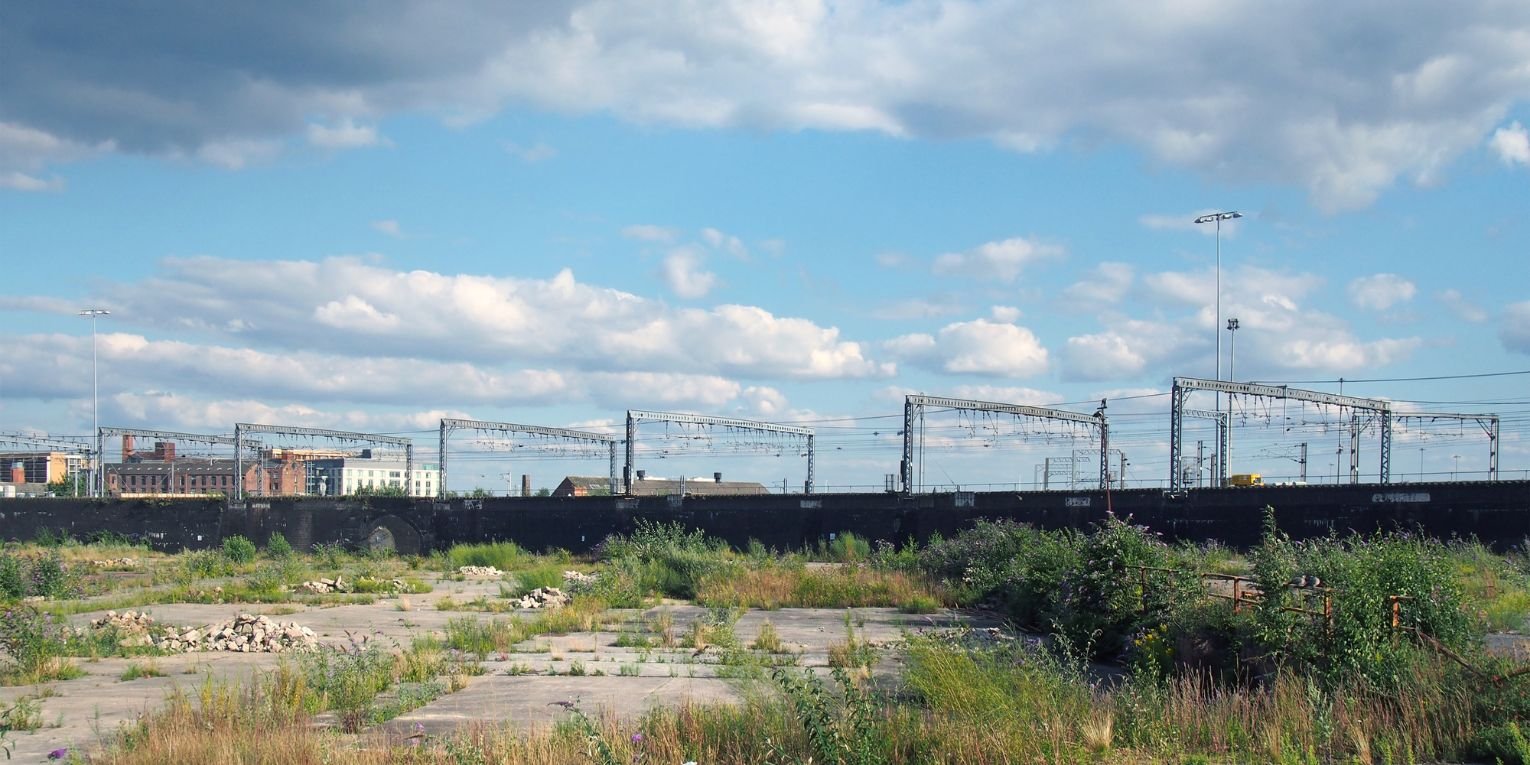
This February 2023 Landsite blog weighs the advantages and difficulties of developing brownfield land, interest in which has grown in the UK because of land shortages and demand for new and affordable homes. It defines brownfield land as vacant commercial buildings and abandoned or under-used land with past industrial or commercial use.
On the positive side, reusing previously developed land is a more sustainable approach, reducing the pressure to build on greenfield sites and protect habitats. It can also drive urban regeneration, bringing homes, workplaces and facilities to neglected areas. The article adds that there are financial attractions: brownfield sites tend to lie in and near towns with good transport links, and they may already have water and electricity connections, which can save cost and time.
The main drawback is contamination. Many sites hold hazardous material such as asbestos or heavy metals, endangering health and the environment. Inspections can be costly and slow, and developers must carry out thorough assessments and clean-up before building starts.
A second difficulty is community engagement. Brownfield areas have often suffered from neglect or under-investment, so residents may be cautious about new schemes, and developers need to work closely with them and the local council to take their concerns into account.
The blog concludes that suitable brownfield sites still offer opportunities to landowners, developers and communities, supporting sustainable development, economic growth, new housing and amenities, and urban regeneration.
Originally published on The Landsite (23 February 2023)