Developments with Coastal Locations

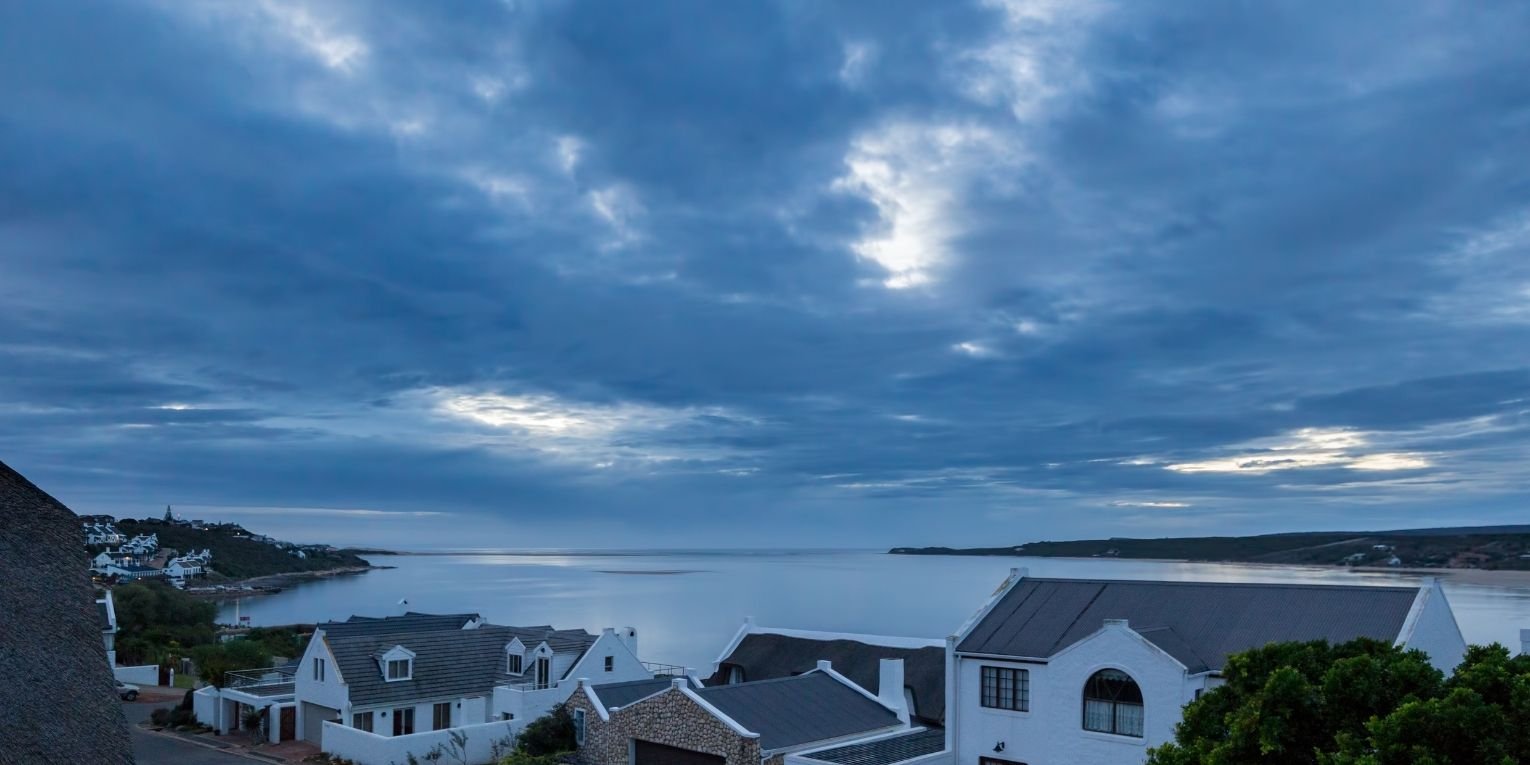
LABC Warranty published technical guidance, written in November 2021 and released in January 2022, on how coastal developments can satisfy its technical manual. It says the main construction risks by the sea are wind speed, rain penetration, material durability, workmanship and upkeep. Exposure is greatest in the South West, West and North West of the UK, and worst within 500m of the shoreline, although aggressive conditions can reach buildings up to 5km inland.
According to LABC Warranty, wind-blown salt spray and strong ultraviolet light can cut the working life of a finish or component to under ten years, and sometimes to as little as five. Poor workmanship is a frequent cause of failure, with examples including roof tiles fixed without the right fittings, badly fitted cavity trays around openings, and misplaced flashings and damp proof courses where balconies meet external doors. Designers are expected to prepare maintenance plans, and owners must then carry them out, for instance by clearing wind-blown sand from balcony outlets and from the seals, mechanisms and drainage holes of bi-fold and patio doors.
For masonry walls in severe or very severe exposure zones, the guidance calls for deep eaves and verges, projecting sills and checked reveals, and warns against flush sills, large unprotected glazed or impermeable areas, and render junctions left unsealed. Render must be a pre-blended bagged system with third-party accreditation such as BBA or ETA certification, never hand mixed, and should use non-corrosive beads in PVC or marine-grade stainless steel. Cladding and rainscreen systems need current third-party approval for coastal use.
Windows and doors should come with manufacturer certification and test evidence against BS 6375-1 and the BS EN standards for air permeability, water resistance and wind resistance, and their fittings must withstand a salty atmosphere. Balcony waterproofing should fall away from doors, with a threshold step of at least 75mm in the detailed case and 150mm otherwise, plus accessible drainage and protected steelwork.
Metals need protective coatings. Steel within 500m of the shoreline should be galvanised at 710 g/m2, decorative finishes should comply with BS EN 12944, lintels of steel that span both wall leaves should be austenitic stainless steel, with their own cavity tray, and any intumescent fire paint must suit the corrosion coating beneath. Clay, concrete and slate roofs need a full fixing specification from the manufacturer allowing for exposure and orientation, while metal roof cladding calls for a corrosivity assessment and attention to wind uplift. LABC Warranty pointed readers to Appendix B of its Technical Manual and stressed that the advice does not replace professional judgement or building regulations.