Everything You Need to Know About Basement Construction

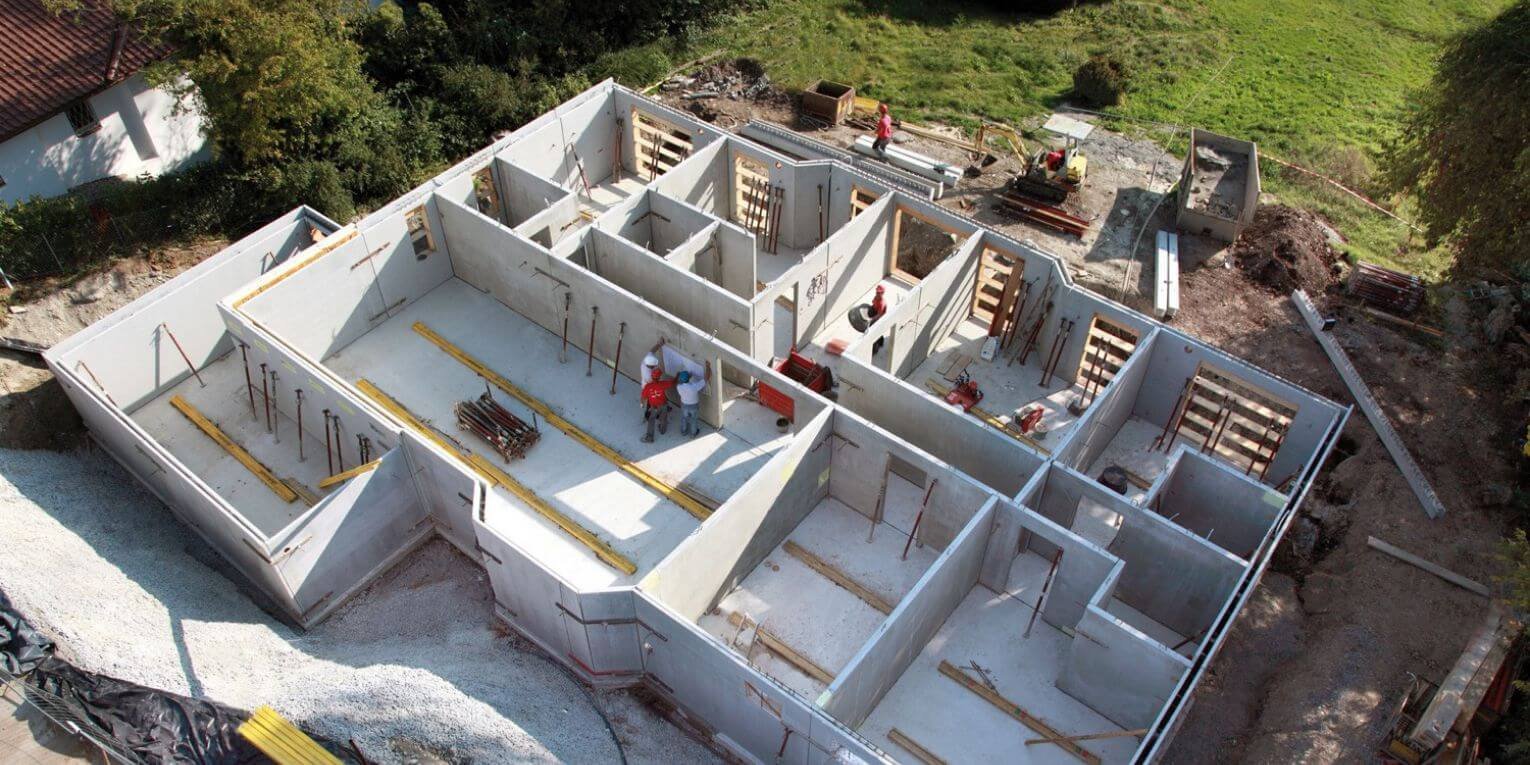
Glatthaar Keller, a maker of precast concrete basements, set out a step-by-step guide in July 2022 for self-builders and anyone extending a home with a basement.
It begins by suggesting a basement can make the most of a plot, particularly a sloping one where conventional foundations would need heavy excavation, because the basement can serve as the foundation too. A soil investigation is advised to establish ground conditions, stability, load-bearing capacity and the water table, and a contingency should be built into groundwork costs.
The guide recommends involving a basement specialist with a proven record early on, since an experienced partner can flag problems and offer solutions at the planning stage, and fixing mistakes later costs more. Owners should decide how the space will be used, because plant rooms and stores face different building regulations from living space, and consider insulation needs. The basement should be watertight by construction, removing the need for a water management system. With precast suppliers, changes once production has begun are expensive, so upfront planning is vital. The firm notes that basements were normal in Victorian times and are returning to self-build, though many architects avoid them, so clients may need to ask for one to be considered.
On cost, it argues that quality and experience should outweigh price, and that the finished basement should qualify for an insurance-backed warranty covering both the structure and water ingress.
Three construction methods are compared. Shuttered concrete walls involve pouring concrete between temporary panels and removing them after about 45 days; common in the UK, but leaks are likely if poorly done and hard to repair. Brick and block walls have many joints, raising leakage risk, and blocks can hold water and keep the structure damp. Precast panels are made off site to a precision on-site pouring cannot match, go in quickly and, if properly fitted, give a watertight result. They cost more, though shorter build times offset this, and the method is not widespread in the UK.
Glatthaar describes itself as the leading UK installer of precast basements, with over 40 years' experience and more than 5,000 projects a year, and says its work qualifies for a ten-year insurance-backed guarantee covering water ingress.
Source: Glatthaar Keller Ltd, original article (5 July 2022)