The Detroit of Britain? Inside Bradford's Modern-Day Renaissance

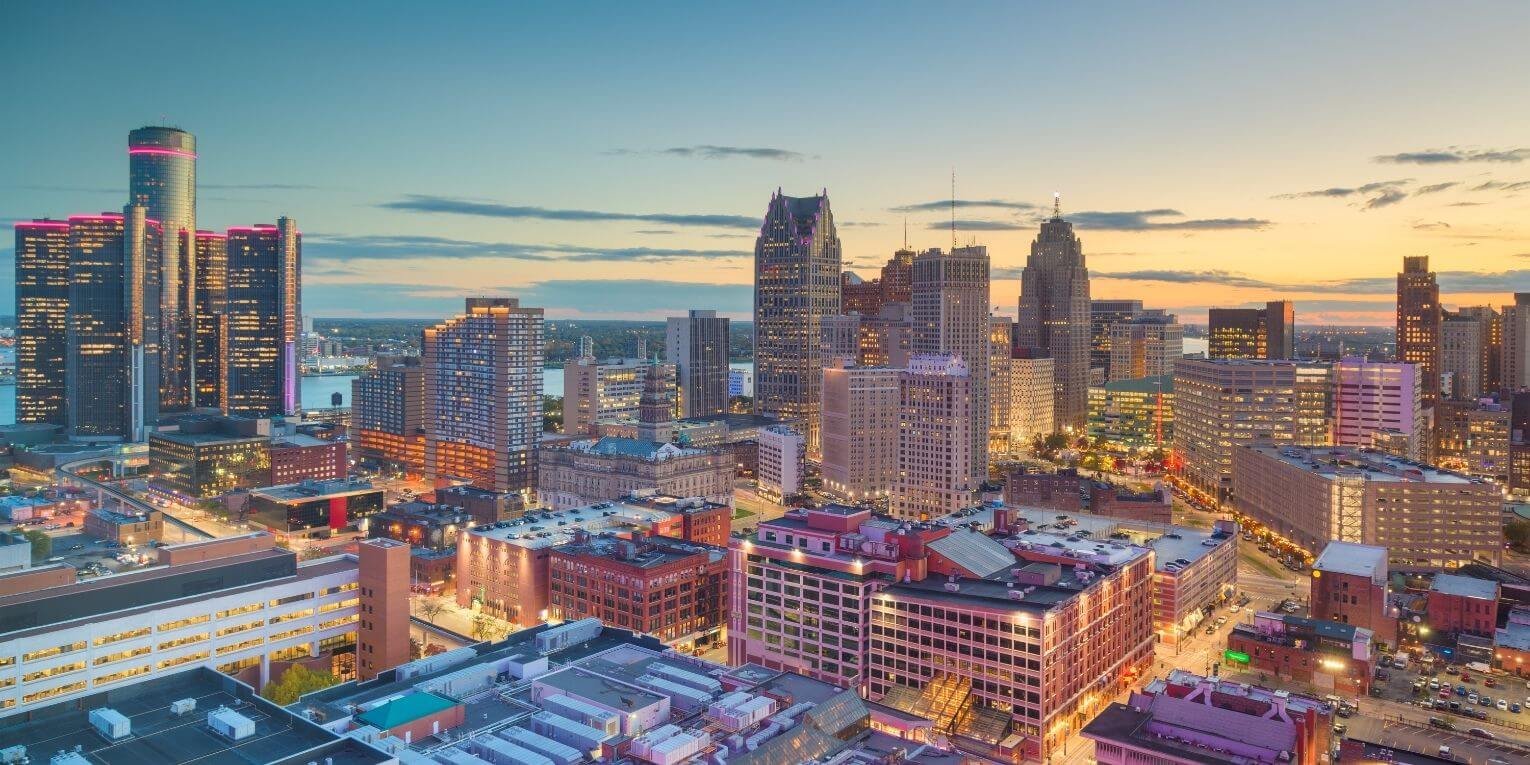
Writing in November 2021, specialist lender Together argued that Bradford could be on the verge of a revival comparable to that of Detroit. Both cities grew rich on a single industry, Bradford on wool and Detroit on motor manufacturing, and both then suffered when that industry declined. By 1841 Bradford had more than 100 mills, handling roughly 66% of national wool output, by one estimate, and it soon became known as the wool capital of the world. By the 1980s, however, it was in the news for riots and ranked among the most deprived places in Britain.
Together pointed to physical signs of recovery. Conditioning House, a Victorian wool-testing centre that opened in 1902, was bought in 2016 by developer Priestley Homes with Together's funding and turned into 152 apartments plus offices, a gym and a café, with original features kept. Elsewhere, the lender noted creative businesses and co-working space, and a scheme to turn the city's 1930s Odeon into Bradford Live, a non-profit arts venue expected in 2022.
The article gave four reasons for investors to look at the city. First, regeneration spending: the £260m Broadway Shopping Centre opened in 2015, and around £1bn had been invested in regeneration and infrastructure since 2010. Second, affordability: Zoopla put the average Bradford price at £144,263 in November 2021, 61% below the England average of about £271,000, and some properties in the BD1 area could yield 8-10% against a national average of 3.3%. Third, the local economy, with over 16,000 companies including Morrisons and Yorkshire Building Society, and a 2019 PwC award naming Bradford the most improved city to live and work in. Fourth, demographics: the youngest population in the UK, forecast to grow by more than 10% over 20 years to 582,900, and a large student body at the University of Bradford supporting rental demand.