The Pros and Cons of Solar Farms in Agricultural Land
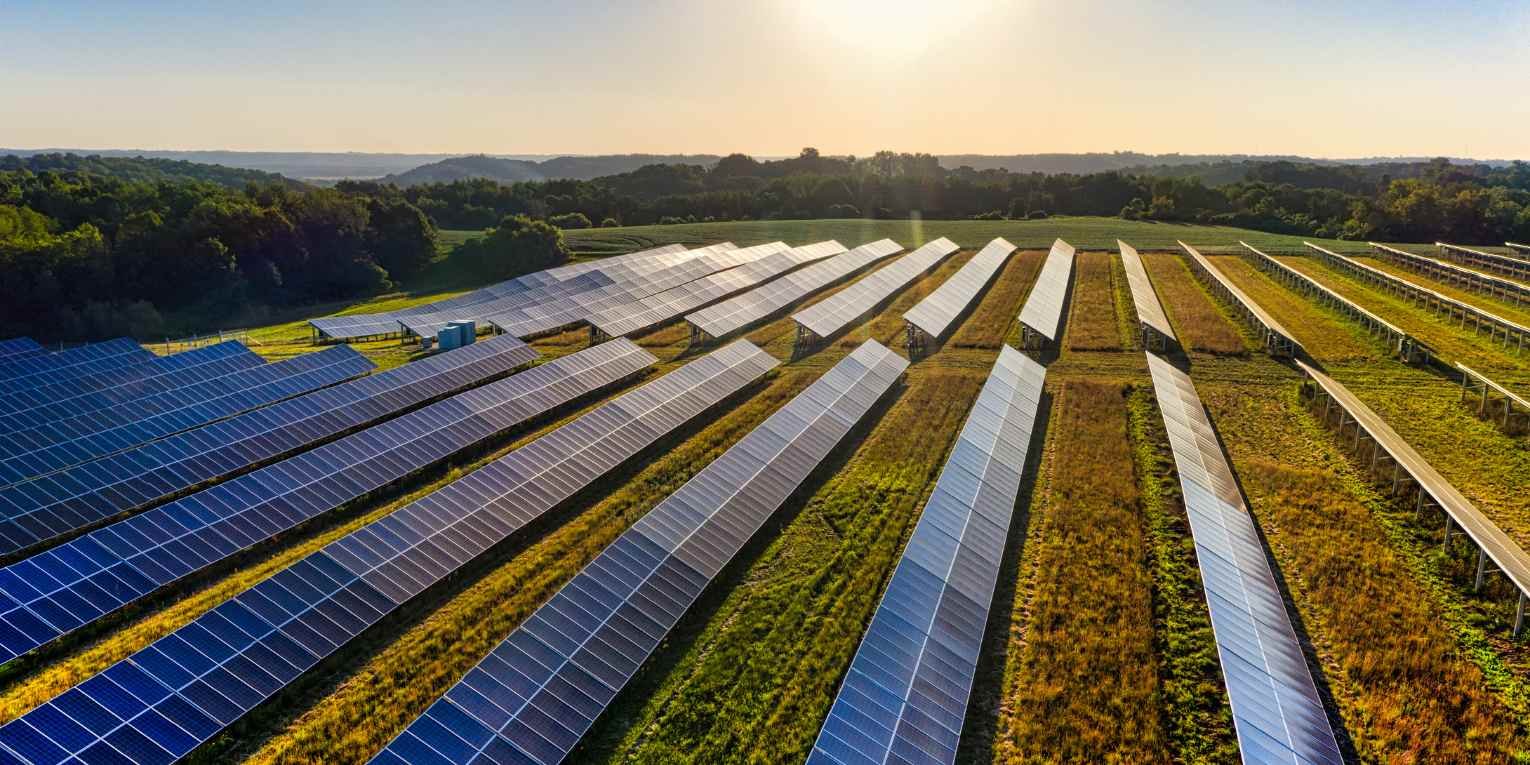
In November 2023, Knight Frank's rural consultancy team set out the arguments for and against hosting solar generation on farmland, as energy costs rose and landowners looked at renewables.
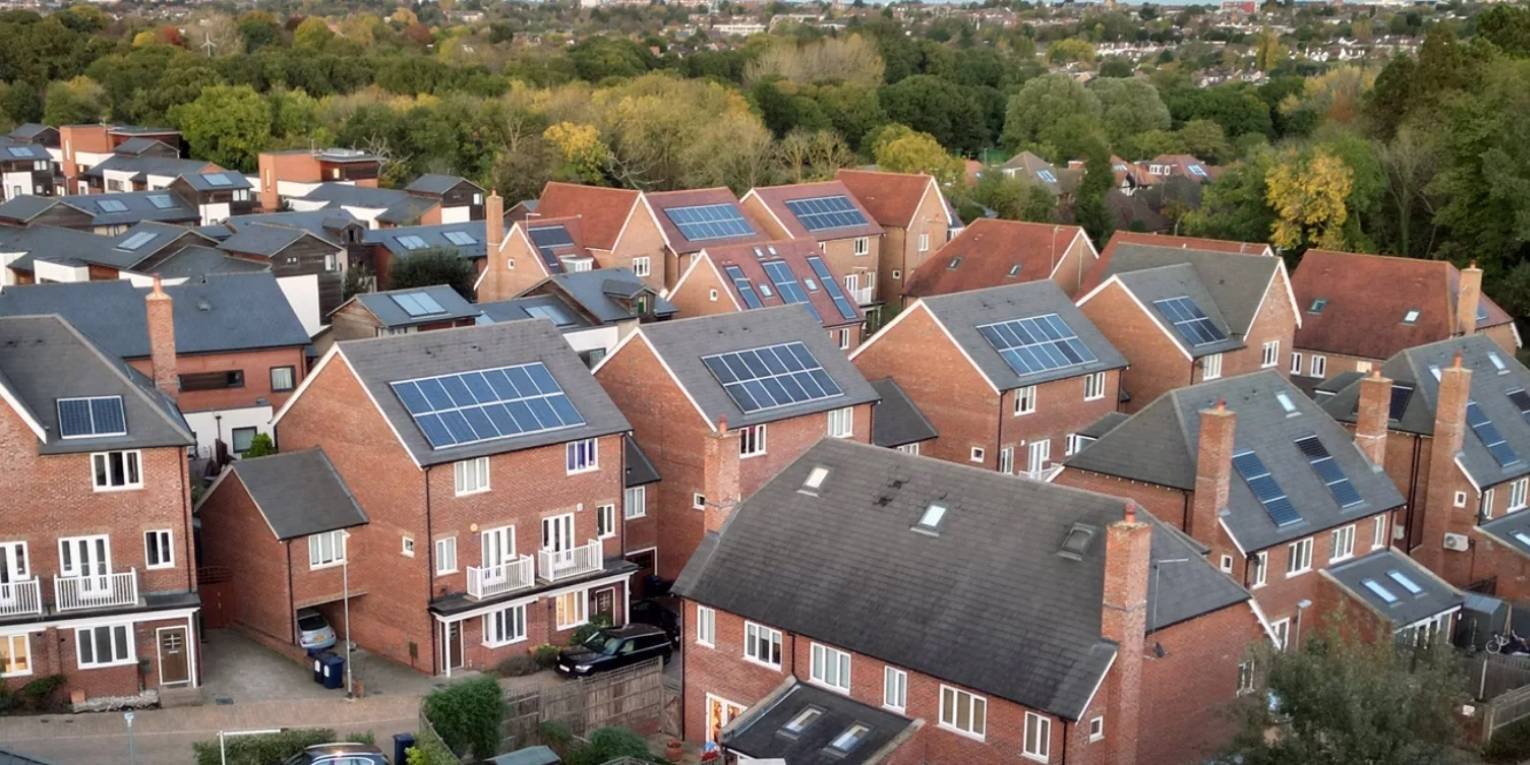
On costs, the team said rooftop installations on large farm buildings can need little or no capital from the owner, because an installer may fund the panels in return for the power generated, with the farm buying electricity at a discount to standard tariffs. Ground-mounted schemes are harder: Andrew Shirley, head of rural research, said gaining planning consent can easily take ten years. Their reward is rent from developers, which he put at roughly £1,000 an acre for large solar PV developments. Chris Monkhouse, who heads infrastructure, waste and energy in the rural team, flagged grid connection as the main obstacle for schemes without a private wire, since lead times can be long and a distant connection point can undermine viability.
On savings, the firm said generating power on site can cut energy bills significantly, especially for energy-hungry farming businesses, and it suggested that government support for renewables, and a possible reversal of the effective moratorium on onshore wind, could widen the options.
Compared with other renewables, solar is easier to set up and scale and depends less on geography than wind or hydro, though Monkhouse noted it demands more land than biomass or wind. Environmentally, solar reduces reliance on fossil fuels and emissions; rooftop panels have minimal impact, and biosolar roofs, which pair panels with green roofs, can support biodiversity and sit alongside regenerative farming.
The team concluded that, despite the planning and set-up hurdles for ground-mounted schemes, the long-term savings and sustainability gains make solar an attractive option for rural estates. It mentioned a partnership with Zestec Renewable Energy offering panels without upfront capital.
Source: Knight Frank Newcastle, original article (8 November 2023)