What Surfaces Can You Lay Turf On?

Neil Sullivan and Sons, in an October 2021 guide, explained which surfaces suit new turf and which do not.
Two surfaces to avoid are old turf and hard ground. If a lawn needs replacing, it is unlikely to serve as a good base, so it is better to dig it out first. Asphalt or concrete must also be removed and replaced with quality topsoil, or the new lawn will soon die.
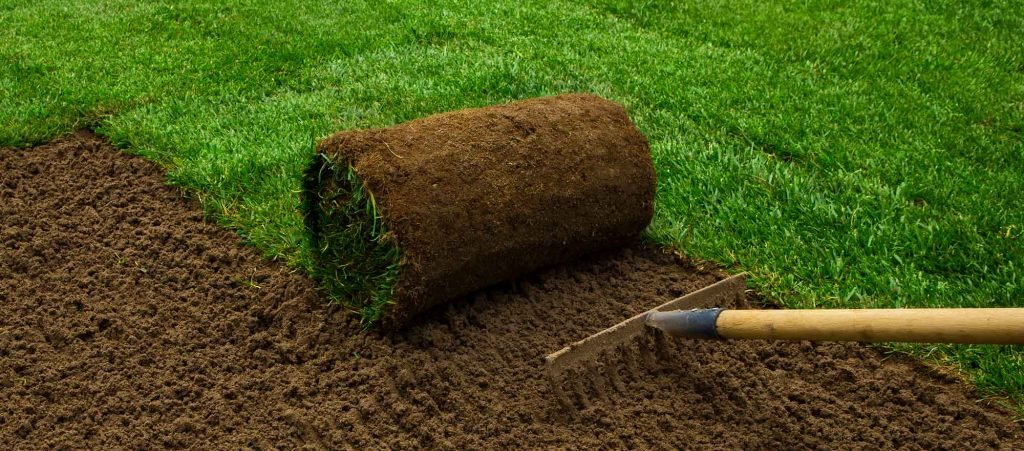
Soil is the usual choice, though types vary. The aim is well-drained, nutrient-rich ground free of weeds and stones. Prepared topsoil, such as topsoil bedding or eco-soil, is generally the best option, and clay soil should have plenty of grit and organic matter dug in beforehand.
Turf can go on sand, but sand drains so freely that nutrients wash away, so organic material such as peat, manure or compost should be mixed in first.
For green roofs, grass is possible but needs at least 150mm of growing medium, so the roof structure must be able to carry the weight. A rooftop lawn also needs mowing and watering like any other, and where that is impractical or unsafe the company suggested wildflowers instead. It listed insulation and rainwater absorption among the benefits of green roofs.
Source: Neil Sullivan & Sons, original article (15 October 2021)